Don't Keep Your Cash in the Bank: 6 Assets That Are Better & Safer Than Cash

In an era of economic uncertainty and rising inflation, keeping large amounts of cash in traditional bank accounts may actually be eroding your wealth. This comprehensive guide explores six alternative assets that historically have provided better protection against inflation and potential for growth compared to holding cash.
Why Not Keep Cash in the Bank?
While banks offer security and convenience for everyday transactions, there are significant drawbacks to holding substantial wealth in cash:
- Inflation Erosion: With inflation rates often exceeding interest rates, the purchasing power of cash diminishes over time. For example, at 3% inflation, $10,000 today would be worth only about $7,400 in 10 years.
- Low Interest Rates: Most savings accounts offer interest rates below the inflation rate, resulting in a net loss of purchasing power.
- Opportunity Cost: Money sitting in cash misses potential growth opportunities in other asset classes.
- Bank Solvency Risks: While FDIC insurance provides protection up to $250,000, amounts beyond this are at risk in the event of bank failures.

1. Gold and Silver: Time-Tested Stores of Value
Precious metals have served as reliable stores of value for thousands of years across civilizations. Here's why they remain relevant today:
Why Precious Metals Outperform Cash
- Inflation Hedge: Gold has historically maintained its purchasing power during inflationary periods. For instance, during the high inflation of the 1970s, gold prices increased by over 1,800%.
- Portfolio Diversification: Gold often moves inversely to stock markets, providing balance during market downturns.
- Global Recognition: Unlike currency, gold is valued universally and isn't tied to any specific government's economic policies.
- Limited Supply: The finite nature of gold protects against the devaluation that can occur with fiat currencies.
How to Invest in Precious Metals
There are several ways to add gold and silver to your portfolio:
- Physical Bullion: Coins, bars, and rounds from reputable dealers
- Gold ETFs: Funds like GLD and IAU that track the price of gold
- Gold Mining Stocks: Shares of companies involved in gold extraction
- Digital Gold: Platforms that allow you to buy and sell fractional gold

Important: While gold preserves wealth well, it doesn't generate income like dividend-paying stocks or rental properties. It's best used as a portion of a diversified portfolio rather than as a standalone investment.
2. Real Estate: Tangible Assets with Multiple Income Streams
Real estate has long been favored by wealth builders for its unique combination of appreciation potential, income generation, and tax advantages.
Advantages of Real Estate Over Cash
- Appreciation: Historically, real estate values have increased over time, often outpacing inflation.
- Rental Income: Properties can generate regular cash flow that typically increases with inflation.
- Leverage: Real estate allows you to control a valuable asset with a relatively small initial investment.
- Tax Benefits: Property owners can deduct mortgage interest, depreciation, and expenses.
- Inflation Hedge: As prices rise, so do property values and rental rates.
Ways to Invest in Real Estate
- Direct Ownership: Purchasing residential or commercial properties
- REITs (Real Estate Investment Trusts): Companies that own and operate income-producing real estate
- Real Estate Crowdfunding: Platforms that pool investor money for specific projects
- Real Estate ETFs: Funds that track real estate indexes

According to historical data from the National Council of Real Estate Investment Fiduciaries, commercial real estate has delivered an average annual return of 9.5% over the past 25 years, significantly outperforming inflation.
3. Cryptocurrencies: The Digital Alternative
While newer and more volatile than traditional assets, cryptocurrencies represent a growing alternative store of value with unique characteristics.
Why Consider Cryptocurrencies
- Decentralization: Not controlled by any central authority or government
- Limited Supply: Many cryptocurrencies have fixed maximum supplies, protecting against inflation
- Global Accessibility: Can be accessed by anyone with an internet connection
- High Growth Potential: Despite volatility, major cryptocurrencies have shown significant appreciation over time
Major Cryptocurrency Options
- Bitcoin (BTC): The original cryptocurrency, often called "digital gold"
- Ethereum (ETH): Features smart contract functionality
- Stablecoins: Cryptocurrencies pegged to stable assets like the US dollar
- Altcoins: Alternative cryptocurrencies with various use cases

High Risk Warning: Cryptocurrencies are extremely volatile and speculative. Only allocate a small portion of your portfolio (typically 1-5%) that you're prepared to potentially lose.
4. Stocks: Ownership in Productive Businesses
Equities represent ownership shares in publicly traded companies and have historically provided some of the highest long-term returns of any asset class.
Advantages of Stock Investments
- Growth Potential: Stocks have historically outperformed other asset classes over the long term
- Dividend Income: Many companies distribute a portion of profits to shareholders
- Liquidity: Stocks can be quickly bought and sold during market hours
- Inflation Hedge: Companies can often raise prices along with inflation
- Diversification: Thousands of companies across sectors and geographies are available
Approaches to Stock Investing
- Individual Stocks: Carefully selected companies with strong fundamentals
- Index Funds: Low-cost funds that track market indexes like the S&P 500
- Mutual Funds: Professionally managed portfolios of stocks
- Dividend Stocks: Companies with a history of regular dividend payments

According to historical data, the S&P 500 has delivered an average annual return of approximately 10% before inflation over the long term, significantly outperforming cash holdings.
5. Bonds: Predictable Income with Lower Volatility
Bonds are debt instruments where investors loan money to entities (governments or corporations) in exchange for regular interest payments and return of principal at maturity.
Benefits of Bond Investments
- Regular Income: Bonds provide predictable interest payments
- Capital Preservation: High-quality bonds are less volatile than stocks
- Portfolio Diversification: Bonds often perform well when stocks decline
- Inflation-Protected Options: TIPS (Treasury Inflation-Protected Securities) adjust with inflation
Types of Bonds to Consider
- Government Bonds: Issued by national governments (e.g., U.S. Treasuries)
- Municipal Bonds: Issued by state and local governments, often tax-free
- Corporate Bonds: Issued by companies, typically offering higher yields
- International Bonds: Bonds from foreign governments or corporations
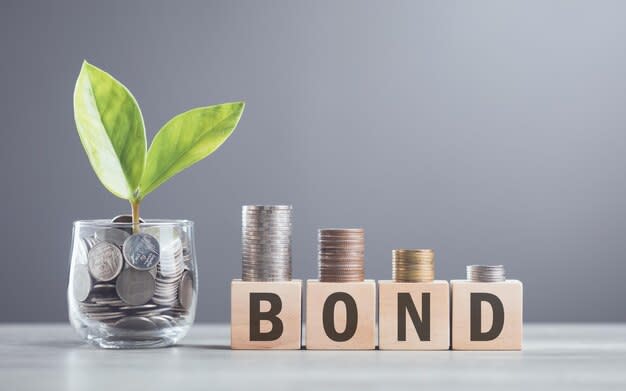
While bonds typically offer lower returns than stocks over the long term, they provide valuable stability and income, especially important for retirees or those with lower risk tolerance.
6. ETFs: Diversified Exposure in a Single Investment
Exchange-Traded Funds (ETFs) have revolutionized investing by providing easy access to diversified portfolios through a single security that trades like a stock.
Advantages of ETFs Over Individual Assets
- Instant Diversification: A single ETF can hold hundreds of securities
- Low Costs: ETFs typically have lower expense ratios than mutual funds
- Flexibility: Can be traded throughout the day at market prices
- Transparency: Holdings are disclosed daily
- Tax Efficiency: Generally more tax-efficient than mutual funds
ETF Categories to Consider
- Broad Market ETFs: Track major indexes like the S&P 500 or total stock market
- Sector ETFs: Focus on specific industries like technology or healthcare
- International ETFs: Provide exposure to foreign markets
- Bond ETFs: Offer diversified fixed income exposure
- Alternative ETFs: Cover assets like real estate, commodities, or currencies

ETFs have grown tremendously in popularity, with global ETF assets exceeding $10 trillion in 2023, as investors appreciate their combination of diversification, low costs, and trading flexibility.
Comparison of Assets Better Than Cash
| Asset | Pros | Cons | Risk Level | Best For |
|---|---|---|---|---|
| Gold and Silver | Inflation hedge, safe haven, tangible | No yield, storage costs, price volatility | Medium | Wealth preservation, crisis protection |
| Real Estate | Income generation, appreciation, tax benefits | Illiquid, management intensive, high entry cost | Medium-High | Long-term wealth building, income seekers |
| Cryptocurrencies | High growth potential, decentralization | Extreme volatility, regulatory uncertainty | Very High | Speculative portion of portfolio |
| Stocks | High returns, dividends, liquidity | Market volatility, company-specific risks | Medium-High | Long-term growth, retirement investing |
| Bonds | Regular income, capital preservation | Interest rate risk, lower returns | Low-Medium | Conservative investors, income focus |
| ETFs | Diversification, low cost, flexibility | Market risk, management fees | Varies by holding | All investors seeking diversification |
The Importance of Diversification
While all these assets offer advantages over cash, the key to successful investing is proper diversification across multiple asset classes. A well-diversified portfolio:
- Reduces overall risk by spreading investments across different assets
- Provides more consistent returns over time
- Helps manage volatility during market fluctuations
- Allows you to benefit from different economic conditions
Most financial advisors recommend a mix of these assets based on your age, risk tolerance, financial goals, and time horizon. Younger investors might weight more heavily toward growth assets like stocks and real estate, while those nearing retirement might increase their allocation to bonds and stable assets.
Important: This content is for educational purposes only and should not be considered financial advice. Always consult with a qualified financial advisor before making investment decisions. Past performance is not indicative of future results.
Conclusion
While keeping some cash on hand for emergencies and short-term needs is prudent, relying solely on bank deposits for long-term wealth preservation is a strategy that guarantees erosion of purchasing power due to inflation. The assets discussed in this article—precious metals, real estate, cryptocurrencies, stocks, bonds, and ETFs—all offer potential advantages over cash, including inflation protection, income generation, and appreciation potential.
The optimal approach involves building a diversified portfolio that aligns with your financial goals, risk tolerance, and time horizon. By moving beyond traditional cash savings and intelligently allocating across these alternative assets, you can better protect and grow your wealth in today's economic environment.
Remember that all investments carry some level of risk, and it's important to conduct thorough research or consult with a financial professional before making investment decisions.
Note: This comprehensive guide was created with research assistance from AI tools to ensure accuracy, depth, and current market information. Our editorial team has reviewed, edited, and verified all content to maintain high quality standards.